Turn Business Priorities Into Connected Action
Explore how a Digital Twin of an Organization helps you improve operations, strengthen customer outcomes, manage risk and compliance, and coordinate transformation using connected context across your organization.
Different Priorities. A Connected Approach.
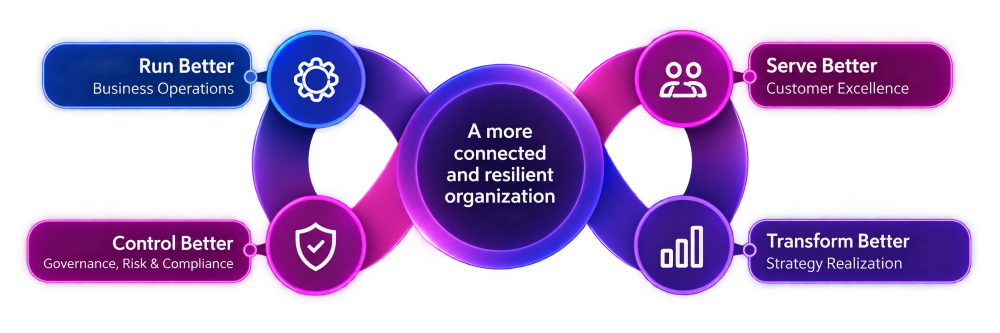
A Digital Twin of an Organization supports four key use cases that help you run, serve, control and transform your business — using the same connected organizational context.
Everything Is Connected. So Are the Challenges.
Operational, customer, regulatory, and strategic challenges are interdependent. A Digital Twin of an Organization helps you see the bigger picture, so you can understand dependencies, assess impact, and make better-informed decisions.

Optimize Operations.
Drive Performance.
Gain a clear view of how work gets done, identify bottlenecks and dependencies, and continuously improve processes across your organization.
See how a DTO helps you:
- Increase operational visibility: Understand how work connects across processes, people, systems, and resources.
- Identify and resolve bottlenecks: See where dependencies, variation, and friction affect performance.
- Drive continuous improvement: Turn operational insight into ongoing process improvement.

Relevant scenarios: Operational Excellence • Process Intelligence
• Continuous Improvement • Supply Chain Optimization

Relevant scenarios: Customer Journey Improvement • Service Transformation • Customer Process Optimization • Continuous Customer Value Improvement
Connect Customer Experience to Operations.
Understand what your customers experience and how the processes, people, and systems behind the scenes contribute to it.
See how a DTO helps you:
- Identify experience breakdowns: See where customer journeys connect to underlying operational issues.
- Connect journeys to operations: Understand which processes, roles, systems, and capabilities shape customer outcomes.
- Improve customer outcomes: Assess how operational change affects customers and continuously improve service delivery.
Strengthen Governance.
Reduce Risk.
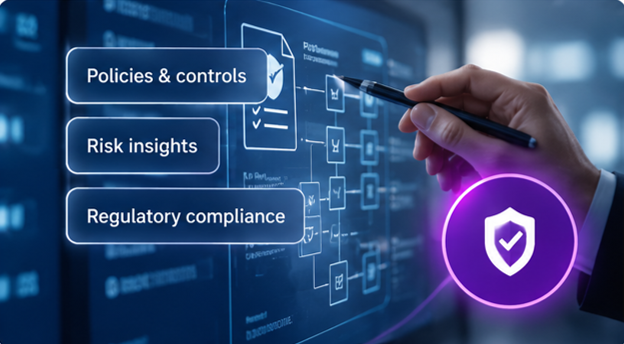
Connect policies, controls, risks, and processes to create traceability and understand the governance impact of change across your organization.
See how a DTO helps you:
- Link risks and controls to processes: See where governance requirements apply across operations.
- Improve audit readiness: Maintain clear connections between requirements, controls, responsibilities, and evidence.
- Maintain compliance through change: Understand which risks, controls, and requirements may be affected before change is implemented.

Relevant scenarios: Risk Management • Regulatory Compliance
• Auditing • Quality Management • Control Monitoring

Relevant scenarios: • Customer Journey Improvement • Service Transformation • Customer Process Optimization • Continuous Customer Value Improvement
Turn Strategy Into Execution.
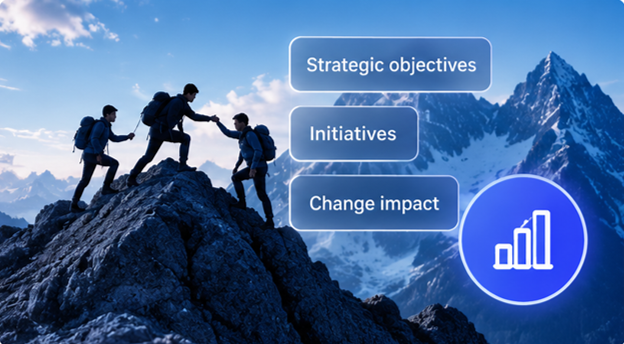
Connect strategic priorities to capabilities, processes, technology, and change so you can coordinate transformation with greater clarity.
See how a DTO helps you:
- Connect strategy to execution: Translate strategic priorities into the capabilities and operations that deliver them.
- Understand change impact: See affected processes, systems, roles, and dependencies before execution.
- Coordinate transformation: Give business and technology teams shared context to align decisions and change.
Greater Impact When Use Cases Work Together.
The four DTO use cases are interconnected. A change in one area often creates dependencies across operations, customer experience, governance, and transformation.

You Don't Need to Model Everything at Once.
Start with a business priority and connect the processes, people, systems, risks, and change behind it.
Process Improvement
Improve performance and ways of working.
Customer Journey
Connect experience to operational reality.
Regulatory Change
Understand governance and change impact.
ERP Transformation
Connect technology change to operations.
Workforce Transformation
Understand roles and organizational dependencies.
AI Readiness
Give AI trusted organizational context.
Start focused. Connect what matters. Expand as value grows.
From Organizational Insight to Coordinated Change
Mavim turns organizational knowledge into a connected, living model of how the business works and changes.
Connect business context
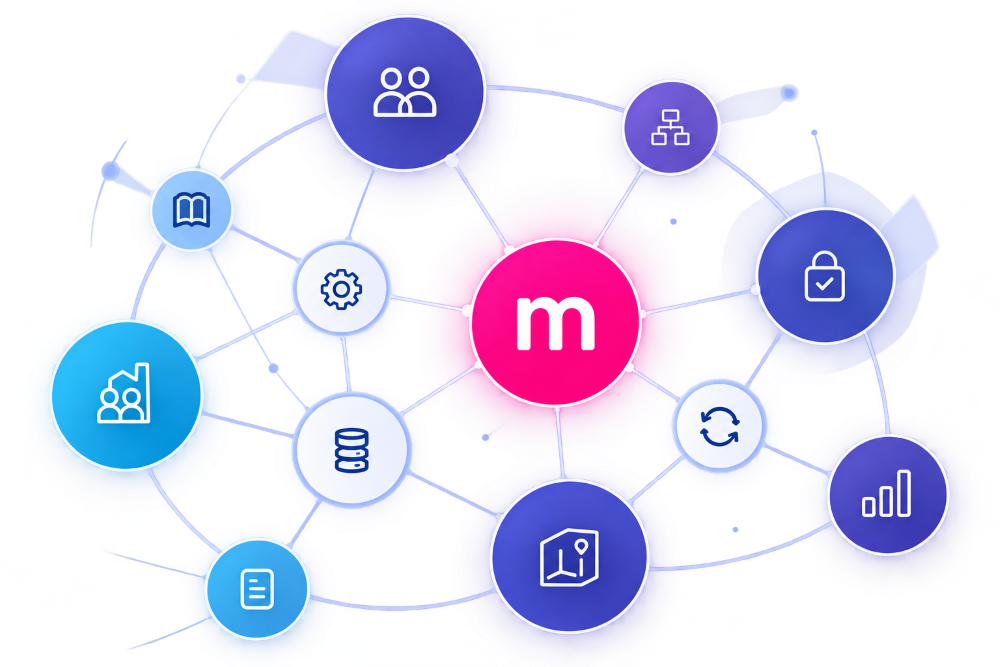
Bring people, processes, systems, data, risks, controls, and change into one view.
Keep the twin relevant
Maintain a living model that evolves with your organization.
Turn insight into action
Assess impact, design future ways of working, and coordinate change.
Build trusted context for AI
Give AI, copilots, and agents structured business context.
Go Deeper Into Digital Twin of an Organization
Explore the thinking, practical guidance, and market perspective behind Digital Twin of an Organization.
Digital Twin of an Organization: The Complete Guide
Understand what a DTO is, how it works, and how connected organizational context supports continuous transformation.
Gartner® Magic Quadrant™ for Digital Twin of an Organization Solutions
Explore Gartner’s assessment of the DTO market and the capabilities shaping this emerging technology category.
Renewi: A More Connected and Resilient Organization
Discover how Renewi uses Mavim to create greater visibility across processes and change, helping teams understand dependencies and support continuous transformation.
Digital Twin of an Organization Use Cases: Frequently Asked Questions
What are the main use cases for a Digital Twin of an Organization?
Four core DTO use cases are Business Operations, Customer Excellence, Governance, Risk & Compliance, and Strategy Realization. Together, they help organizations improve how work gets done, connect operations to customer outcomes, strengthen governance, and coordinate transformation.
How is a Digital Twin of an Organization used for business operations?
A DTO connects processes, people, systems, resources, and operational data to show how work gets done. Organizations can use this context to identify dependencies, understand performance, improve processes, and support continuous improvement.
How can a DTO support customer excellence?
A DTO connects customer journeys and outcomes to the processes, people, systems, and capabilities behind them. This helps organizations understand where experiences break down, identify operational causes, and assess how changes inside the organization may affect customers.
How does a DTO support governance, risk, and compliance?
A DTO connects risks, controls, policies, regulations, responsibilities, and processes. This creates traceability between governance requirements and operations and helps organizations understand which risks and controls may be affected by change.
How does a DTO help organizations execute strategy and transformation?
A DTO connects strategic priorities to capabilities, processes, technology, and transformation initiatives. This helps teams understand dependencies and change impact while providing shared business context for coordinating transformation across the organization.
How do you choose where to start with a Digital Twin of an Organization?
Start with a business priority where connected organizational context can make a difference, such as process improvement, a customer journey, regulatory change, ERP transformation, workforce transformation, or AI readiness. The DTO can then expand as new priorities and dependencies emerge.
Does a Digital Twin of an Organization need to model the entire enterprise?
No. A DTO can begin with a focused part of the organization and expand over time. The goal is to connect the context needed for the business priority at hand, not to model everything before creating value.
Can the same DTO support multiple use cases?
Yes. The use cases are interconnected and can rely on the same organizational context. For example, an ERP transformation may require process improvement, governance and control, and changes to customer-facing operations. A connected DTO allows teams to understand these dependencies rather than addressing each priority in isolation.
Start With the Business Priority That Matters Most.
You don't need to model the entire organization to start creating value. Mavim helps you connect what matters, then expand as your needs evolve.